Antigone at BG: When Conscience Challenges Power
On Thursday, October 22, the school’s students had the opportunity to experience Sophocles’ tragedy Antigone. The two actors—who were also behind last year’s production returned with an intense performance that made this story, more than 2,400 years old, feel both immediate and relevant.
The play is not merely about kings, gods, and a distant past; it raises questions that remain pertinent to us today: Must one always obey the law? When does one have a duty to speak out? And what happens when power becomes more important than people?
It is precisely the conflict between Antigone and Creon that makes the tragedy a formative experience. Antigone demonstrates the courage to follow her conscience, even though she knows the cost. Creon reminds us that a leader can become so convinced of his own righteousness that he ceases to listen. As a student, one can use the play to reflect on how one personally responds to peer pressure, unjust rules, or authorities who refuse to engage in dialogue. In this context personal development and the cultivation of characteris not about knowing a single "correct" answer; rather, it is about the ability to view an issue from multiple perspectives, justify one’s own position, and take responsibility for the consequences.
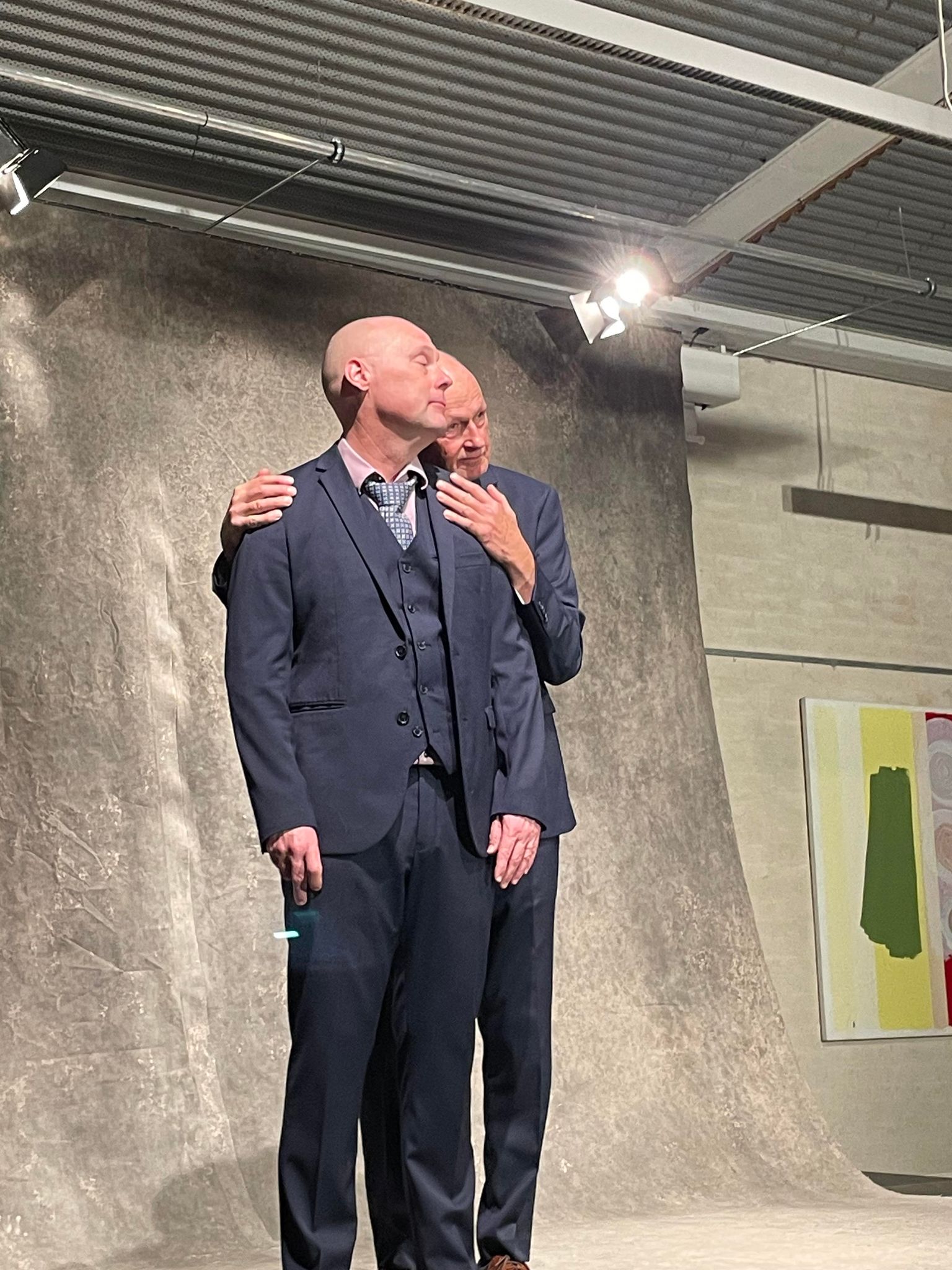
The plot unfolds following the events of Oedipus the King. The brothers Eteocles and Polynices have killed each other in the battle for Thebes. The new king, Creon, decrees that Eteocles shall be buried with honor, while Polynices is to remain unburied as punishment for his rebellion. Their sister, Antigone, refuses to accept this prohibition. She buries her brother because she believes that the laws of the gods and the obligations to family take precedence over the king’s command. This sparks a conflict in which neither side is willing to yield, leading to catastrophic consequences.
The performance also demonstrated why ancient texts remain worth engaging with. Rather than presenting a simple hero and a simple villain, Antigone pits two valid concerns against each other: the state’s need for order versus an individual’s duty to family, faith, and conscience. When both parties refuse to listen, the disagreement escalates into tragedy. In this sense, the play serves as an exercise in democratic discourse—showing that it is possible to disagree without devaluing the other person.
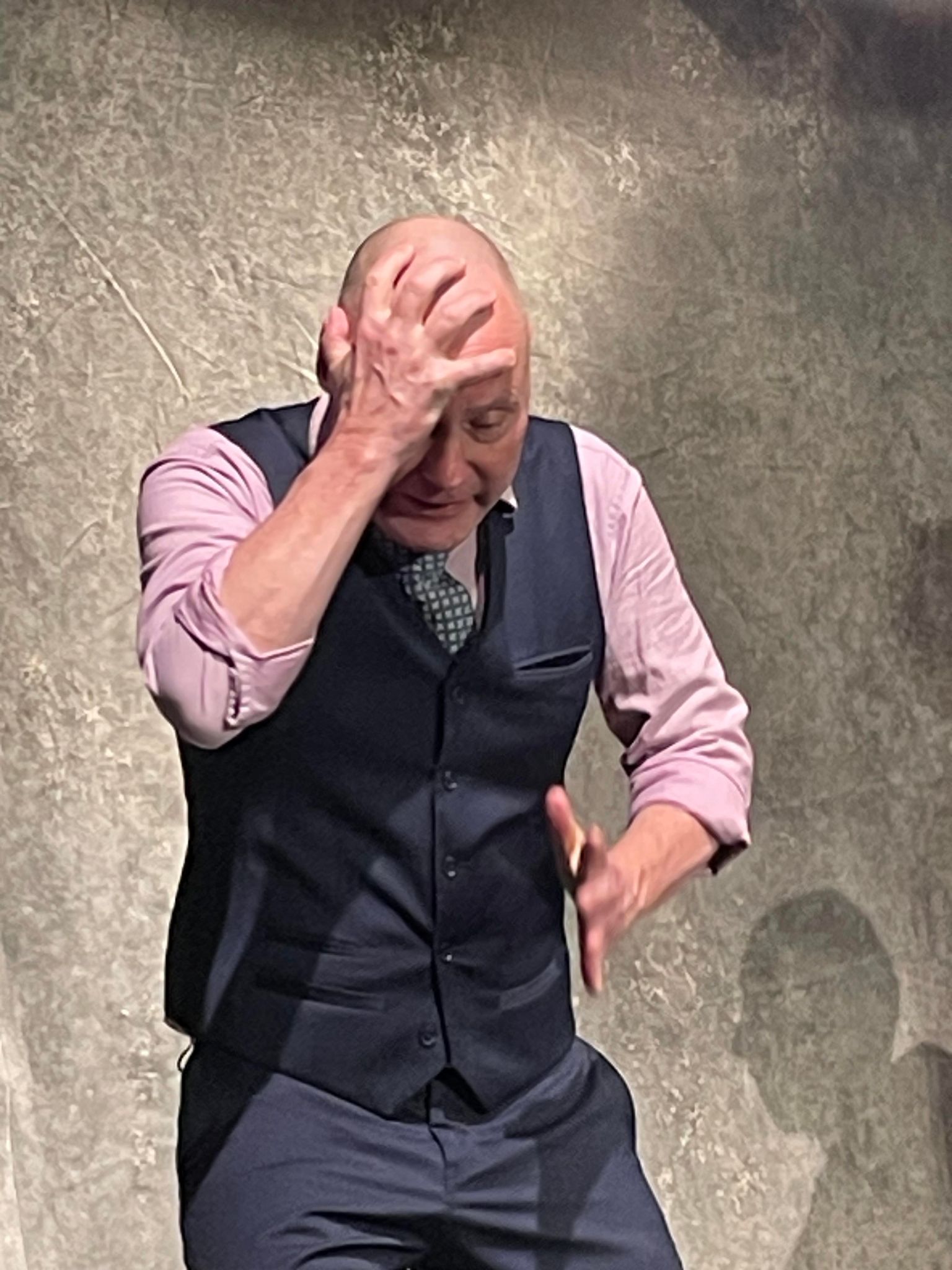
The two actors delivered a compelling performance. Using minimal means, they established a clear cast of characters and made the conflicts easy to follow. Their seamless transitions between roles, voices, and body language infused the production with energy, while the quieter scenes allowed space for gravity and reflection. The encounters between Antigone and Creon were particularly powerful: Antigone’s resolve was portrayed with dignity, while Creon’s stubbornness appeared not as one-dimensional evil, but as a growing blindness toward other human beings.
The acting was both intense and precise, yet it never rendered the tragedy heavy or inaccessible. The actors maintained a strong connection with the audience, allowing the language, the pauses, and their physical expressions to carry the narrative. Bringing an ancient drama to life for a young audience requires immense focus—a challenge they met with great success. The performance allowed for both emotional engagement and subsequent discussion, a combination that makes the theatrical experience valuable in an educational setting.
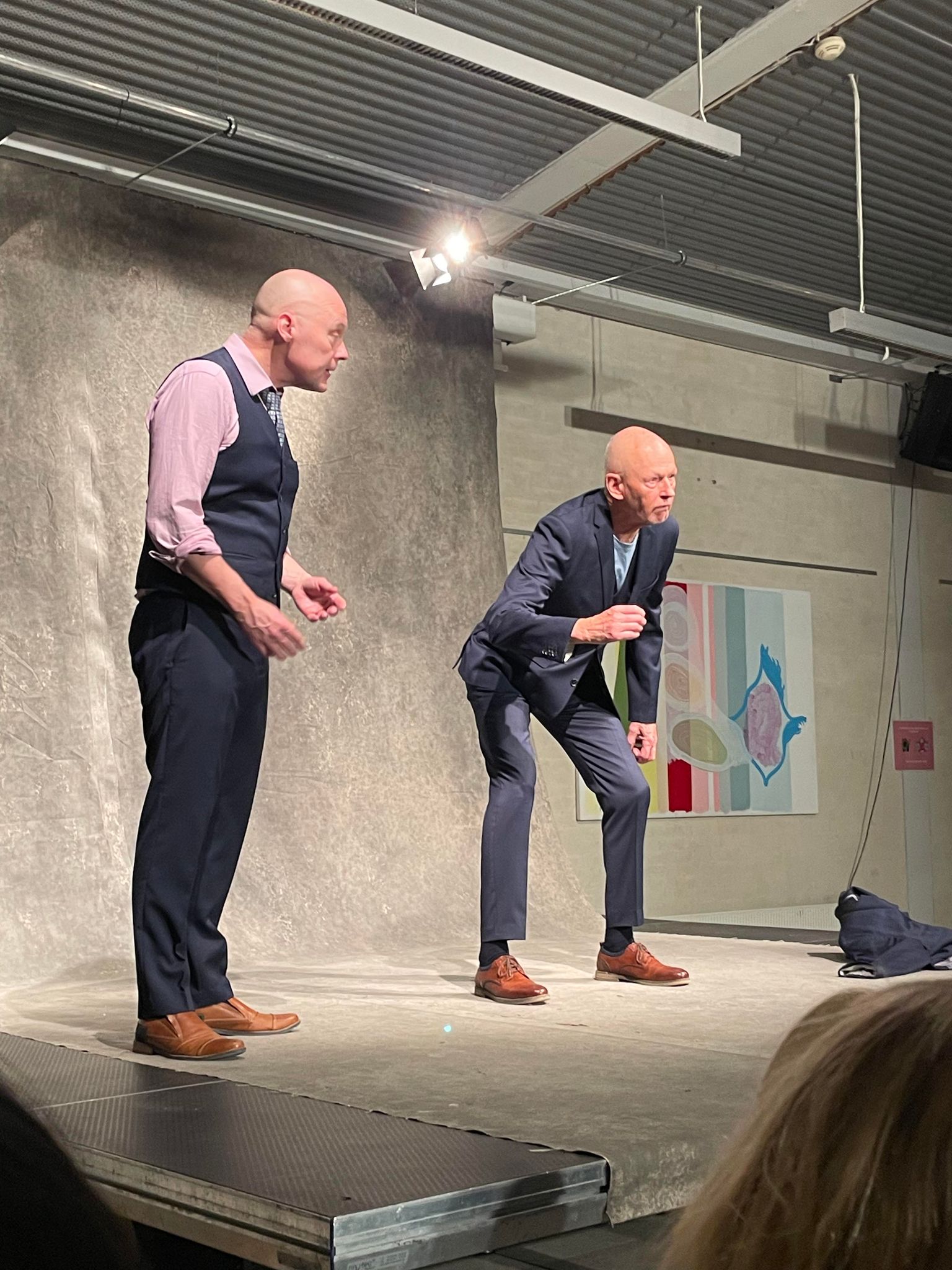
Antigone leaves the audience with questions rather than definitive answers. Who is right when the law and one’s conscience collide? At what point does determination turn into stubbornness? And is it possible to hold power without also listening? The production at BG provided the students with a powerful experience and a shared starting point for discussing responsibility, respect, democracy, and civil disobedience. This is personal and intellectual development—in practice: encountering different perspectives, examining one’s own values, and becoming better equipped to make well-considered choices.